
As a laboratory equipment specialist with over 15 years of hands-on experience in Hong Kong, I have personally assisted numerous research institutions, pharmaceutical companies, and diagnostic laboratories in the Hong Kong Science Park, Cyberport, Sha Tin, and major universities such as The University of Hong Kong, The Chinese University of Hong Kong, and the Hong Kong University of Science and Technology. From BSL-2 facilities conducting routine microbiological work to more stringent BSL-3 environments handling infectious agents, I have overseen the installation, certification, and ongoing maintenance of hundreds of biosafety cabinets. These experiences have taught me that selecting the right biosafety cabinet is not merely a procurement decision—it is a critical investment in personnel safety, sample integrity, regulatory compliance, and long-term operational efficiency, all while navigating Hong Kong’s unique challenges of limited lab space, high energy costs, and strict adherence to international standards like NSF/ANSI 49.
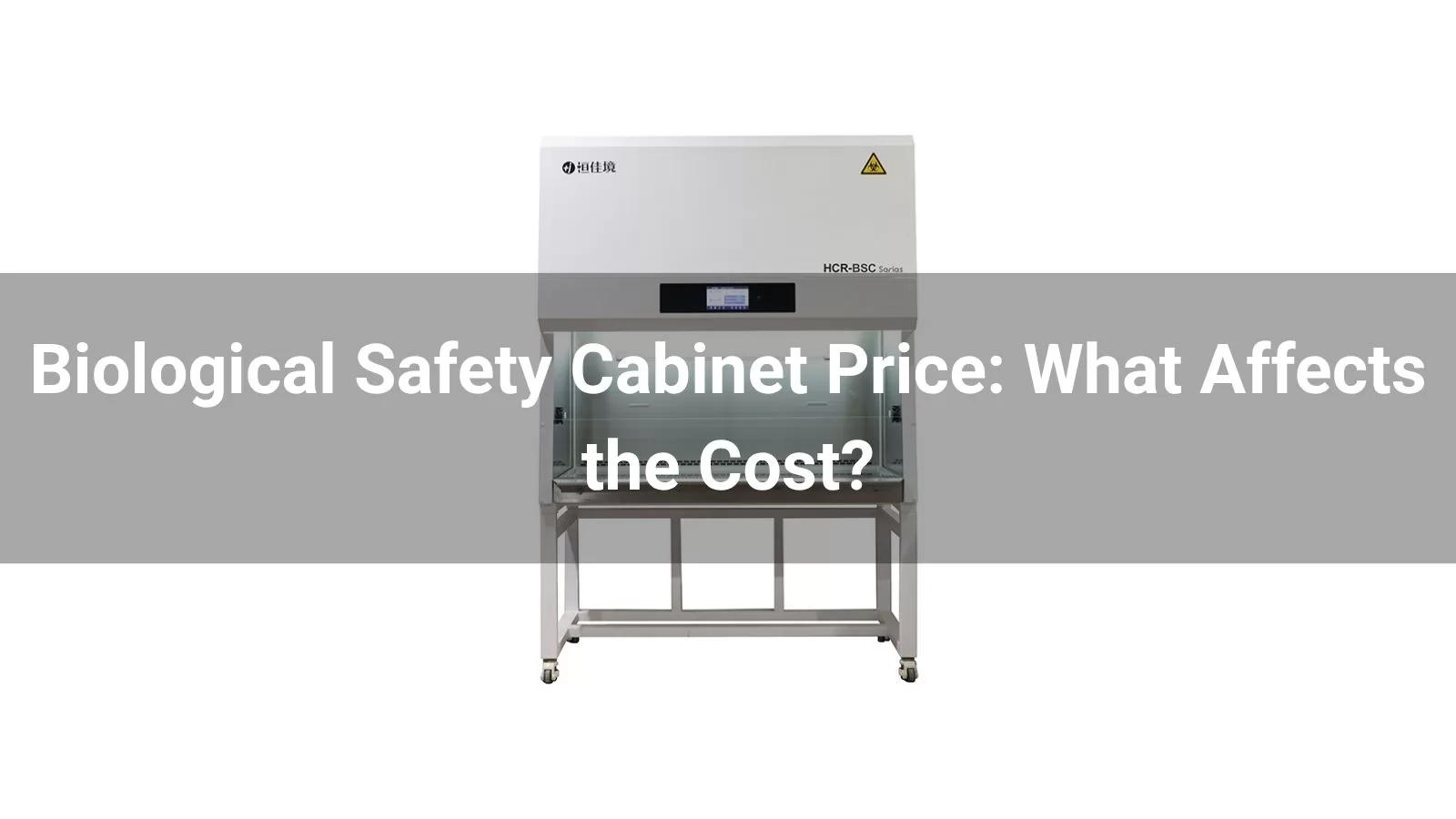
Biosafety cabinets are essential in laboratory environments, ensuring the safety of personnel, protection of sensitive samples, and environmental containment of hazardous biological materials. These specialized enclosures provide a controlled, sterile workspace for critical tasks, including research, diagnostics, and pharmaceutical development. Selecting the right biosafety cabinet involves understanding their classifications, features, and costs. With various models and procurement options available, choosing the best fit for your lab requires careful consideration of safety standards, operational efficiency, and budget constraints. This guide will help you navigate these factors, offering insights into the types of biosafety cabinets, their features, and cost considerations, along with a comparison of purchasing and leasing options.
A biosafety cabinet is a controlled workspace designed to protect laboratory personnel, the environment, and samples from contamination and hazardous biological materials. Equipped with HEPA filters and precise airflow systems, these cabinets create a sterile environment for handling infectious agents and biohazards. Biosafety cabinets are categorized into three main classes, each suited for specific applications:
Class II cabinets, particularly the Type A2 and Type B2 models, dominate laboratories due to their versatility. The Type A2 recirculates a portion of the filtered air into the room, while the Type B2 exhausts all air outside, making it ideal for volatile or hazardous materials. In my experience supporting a BSL-3 lab in the Hong Kong Science Park during heightened infectious disease research, Type B2 cabinets proved indispensable for safely handling samples involving volatile solvents without compromising containment.
Biosafety cabinets (BSCs) are specialized laboratory enclosures designed to safeguard personnel, samples, and the environment from exposure to hazardous biological materials. They use advanced airflow systems and HEPA filters to create a sterile workspace, ensuring effective containment and safety during critical laboratory procedures.
Class I BSCs provide protection for personnel and the environment by containing biohazardous particles through HEPA filtration. However, they lack product protection, making them unsuitable for work requiring sterile conditions. These cabinets are ideal for low-risk microbiological tasks where user and environmental protection are priorities. In certain Hong Kong diagnostic labs I have worked with, Class I units continue to serve effectively for routine low-risk procedures.
Class II biosafety cabinets are the most versatile, balancing personnel, product, and environmental protection. Within this category, the Class II A2 Biological Safety Cabinet recirculates filtered air into the laboratory, maintaining safety for non-volatile chemical work. In contrast, the Class II B2 Biosafety Cabinet exhausts all air outside through an advanced filtration and exhaust system, offering enhanced safety for volatile and hazardous materials. These cabinets are widely used in clinical, pharmaceutical, and research settings. During a major project at a pharmaceutical facility in Sha Tin, I recommended and validated multiple Class II Type B2 units to meet stringent local and international requirements for handling hazardous compounds.
Class III cabinets provide the highest level of containment, designed for work with high-risk pathogens. These gas-tight enclosures feature glove ports and fully sealed work areas to eliminate the risk of exposure. Often found in biosafety level (BSL) 4 laboratories, Class III cabinets prioritize maximum operator and environmental protection.
While laminar flow hoods and biosafety cabinets both utilize laminar airflow for contamination control, their purposes differ. Laminar flow hoods focus solely on product protection by directing filtered air over the work area. In contrast, biosafety cabinets, particularly Class II BSCs, integrate airflow with filtration and containment to protect personnel, products, and the environment. Understanding these classifications ensures you select the appropriate biosafety cabinet for your laboratory’s unique safety requirements and applications. In Hong Kong labs where space is at a premium, I often advise clients on this distinction to avoid costly mismatches that could compromise safety or compliance.
Class II biosafety cabinets (BSCs) are equipped with critical components and features that enable effective containment and sterility. These features enhance safety, usability, and compliance with regulatory standards such as NSF and ISO certifications.
High-Efficiency Particulate Air (HEPA) filters capture 99.97% of particles as small as 0.3 microns, ensuring that the air within the workspace remains free of biohazardous contaminants. Advanced filtration systems are essential for maintaining the integrity of both personnel safety and product protection. In my field certifications across Hong Kong facilities, proper HEPA filter performance has repeatedly proven to be the cornerstone of reliable containment.
Class II BSCs rely on vertical laminar flow to create a sterile work area. This airflow design directs air downward across the workspace, preventing cross-contamination. Systems like inflow and downflow work together to maintain containment and sterility.
The durable, corrosion-resistant properties of stainless steel make it the material of choice for many BSCs. It ensures easy cleaning and long-term performance, particularly in environments requiring frequent disinfection—something I emphasize in every Hong Kong lab setup due to high humidity and intensive cleaning protocols.
Many biological safety cabinets feature UV lights to sterilize the workspace before and after use, reducing the risk of contamination for microbiological and compounding tasks. Automatic shut-off mechanisms enhance safety by preventing UV exposure during operation.
The ergonomic sash opening allows safe access to the workspace while maintaining airflow integrity. Adjustable height options ensure user comfort and minimize strain, accommodating various operators’ needs in multi-user labs. These features, combined with LCD displays for real-time monitoring and energy-efficient components, make modern biosafety cabinets indispensable tools for achieving laboratory safety, compliance, and productivity.
When choosing a biosafety cabinet, understanding the available models and their price ranges is essential for balancing safety, functionality, and budget constraints. Reputable brands like Thermo Scientific, Labconco, Purifier, and Biobase offer diverse options to suit various laboratory needs. Based on current market data and my procurement experience in Hong Kong, prices can fluctuate with specifications, certifications, import factors, and global supply chain conditions in 2026.
Known for their reliability and innovation, Thermo Scientific cabinets feature advanced airflow systems, durable stainless steel construction, and energy-efficient designs. Their models include options with real-time LCD monitoring for airflow and HEPA filtration performance. Prices typically range from $8,000 to $20,000 or higher for premium models like the Herasafe 2030i series (often $13,000–$20,000+ in 2026), depending on the model and included features like UV light sterilization and ergonomic design. I have successfully deployed numerous Thermo units in university labs across Hong Kong, where their robust performance under continuous operation stands out.
Labconco cabinets are celebrated for their user-friendly layouts and cost-effectiveness. These Class II biosafety cabinets feature HEPA filters, energy-efficient motors, and adjustable heights for ergonomic benefits. Models range in price from $6,000 to $15,000 or more (e.g., Logic series around $15,000–$19,500 for larger units in 2026), making them a practical choice for both research and clinical applications. Their reliability has been proven in multiple projects I managed in the Hong Kong Science Park.
Biobase provides a range of cost-effective biosafety cabinets designed to meet essential safety standards. Their units are popular for international markets, with pricing between $5,000 and $12,000. These cabinets include standard features such as vertical laminar flow and HEPA filtration while maintaining affordability. In budget-conscious Hong Kong setups, Biobase has offered excellent value when properly certified.
Purifier cabinets are recognized for their robust construction and adaptability to diverse laboratory environments. Their models, priced between $7,000 and $18,000, include advanced energy efficiency options, making them suitable for laboratories aiming to optimize long-term operational costs.
Additional features like real-time LCD displays, UV light sterilization, and adjustable height mechanisms can significantly affect prices. For example:
Selecting the right biosafety cabinet requires balancing these features against your laboratory’s specific needs and budgetary constraints. In my experience, investing in NSF/ANSI 49 certified units has always paid off through smoother regulatory audits in Hong Kong.
The cost of a biosafety cabinet depends on several factors, including design, materials, and additional features. Understanding these influences can help labs make informed purchasing decisions, especially as market dynamics evolve in 2026 with stricter regulations and advancing technology.
The type of airflow system directly affects both functionality and cost. Cabinets with vertical laminar flow systems, such as Class II Type A2 and Type B2 Biosafety Cabinets, require precise engineering and advanced HEPA filtration, which increase the overall price. Type B2 cabinets, for example, feature an external exhaust system, adding to installation and operational costs—particularly relevant in Hong Kong buildings with complex HVAC integration.
Stainless steel is the gold standard for biosafety cabinets due to its durability, corrosion resistance, and ease of cleaning. Cabinets made with lower-cost materials, like epoxy-coated steel, may have a lower upfront price but often lack the long-term reliability of stainless steel units.
The efficiency and type of HEPA filter significantly impact costs. Enhanced filtration options, such as ULPA filters, provide superior protection but come at a premium. Additionally, pre-filters can extend the life of HEPA filters, reducing maintenance expenses over time.
Upgrades such as UV light sterilization, adjustable height mechanisms, and advanced LCD control systems increase usability and safety but add to the initial investment. By assessing these factors, labs can prioritize the features most critical to their operations, ensuring a balance between cost and functionality.
Beyond the initial investment, operational costs are a crucial consideration for laboratories using biosafety cabinets (BSCs). Key factors such as energy efficiency, maintenance, and consumable replacements can significantly affect long-term budgets.
Modern biological safety cabinets are designed to optimize energy efficiency, reducing power consumption during continuous operation. Features such as variable-speed airflow systems, energy-efficient motors, and LED lighting lower electricity usage while maintaining safe working conditions. While energy-efficient models may have a higher upfront cost, they significantly reduce operational expenses over time, making them a cost-effective choice for labs aiming to minimize their environmental footprint—especially important in energy-conscious Hong Kong.
Maintaining HEPA filters, UV sterilization lights, and airflow systems ensures consistent performance and safety but incurs ongoing costs.
By investing in regular maintenance and efficient consumables, labs can enhance the longevity of their biosafety cabinets while ensuring compliance with safety standards. I always recommend annual NSF-style field certification for all installations in Hong Kong to maintain compliance.
Proper maintenance and comprehensive warranties are essential for protecting your investment in a biosafety cabinet and ensuring its long-term reliability.
Regular upkeep is crucial to maintaining optimal performance and safety. Key activities include:
Most biosafety cabinets come with a standard warranty covering defects in materials and workmanship for 1–5 years. Extended warranties offer additional peace of mind by covering major components like the airflow system, HEPA filters, and UV light assemblies.
Service contracts provide regular inspections and priority repairs, minimizing downtime and ensuring regulatory compliance. These contracts typically cost $1,000–$5,000 annually, depending on the frequency of service and the complexity of the BSC. Proactive maintenance and reliable warranty agreements safeguard the performance of your biosafety cabinet, reducing unexpected costs and ensuring safe, uninterrupted operations. In my years serving Hong Kong labs, well-structured service contracts have prevented countless hours of downtime.
Selecting the right biosafety cabinet (BSC) involves balancing safety, functionality, and budget. Evaluating your lab’s specific needs and considering procurement options can help make an informed decision.
Determine the primary applications of the BSC, such as microbiological research, compounding, or cleanroom operations. Identify the required level of protection for personnel, the environment, and the product. For instance:
Evaluate total ownership costs, including operational expenses, maintenance, and energy efficiency. Investing in a model with advanced energy-efficient features can lower expenses over time while enhancing performance. By clearly defining your lab’s needs and exploring cost-effective procurement strategies, you can select a biosafety cabinet that aligns with your safety and financial goals.
The cost of a biosafety cabinet can vary significantly depending on its intended application. Specialized uses, such as PCR, chemical handling, or cleanroom operations, may require unique features that influence pricing.
For PCR workflows, maintaining a sterile work environment is critical to prevent contamination. Biosafety cabinets designed for PCR often include enhanced HEPA filtration, UV light sterilization, and precise airflow management. These features ensure reliable results but typically add $1,000–$2,000 to the cost compared to standard models. I have equipped several molecular biology labs in Hong Kong universities with PCR-optimized units to achieve consistent contamination-free results.
Handling volatile chemicals requires robust protection. Class II Type B2 BSCs or specialized fume hoods ensure hazardous materials are safely contained and expelled. These models are priced higher, with costs ranging from $10,000 to $20,000 due to their comprehensive exhaust system and enhanced filtration capabilities.
In cleanroom settings, biosafety cabinets must meet strict contamination control standards. Features like advanced laminar air flow, stainless steel construction, and ISO compliance are essential, often increasing the price by $3,000–$5,000 compared to general-purpose models. Understanding the specific requirements of your application ensures you choose a biosafety cabinet that not only meets safety standards but also delivers cost-effective performance for your lab’s unique needs.
Biosafety cabinets (BSCs) play a critical role in ensuring both environmental protection and product safety. They are designed to contain biohazardous agents while maintaining a sterile workspace for sensitive procedures.
BSCs safeguard the surrounding environment through precise airflow and advanced HEPA filtration. For example:
These features make biosafety cabinets essential for laboratories handling infectious agents or volatile substances.
The sterile work area provided by BSCs ensures the integrity of samples and reduces contamination risks.
By combining environmental containment with sterile conditions, BSCs are indispensable for maintaining lab safety and research accuracy.
Operational costs, including energy efficiency and maintenance, significantly influence the long-term affordability of a biosafety cabinet.
Modern Class II BSCs are designed with sustainability in mind.
Routine maintenance ensures safety and compliance but incurs recurring costs:
Investing in energy-efficient models and proactive maintenance reduces overall expenses while ensuring reliable performance and regulatory compliance.
Biosafety cabinets are indispensable for laboratories that prioritize safety, compliance, and efficiency. Whether your lab focuses on microbiological research, compounding, or cleanroom operations, selecting the right cabinet requires careful evaluation of factors such as class type, airflow design, and long-term operational costs. Investing in a high-quality Class II BSC, like a Class II Type A2 Biological Safety Cabinet for general applications or a Type B2 Biosafety Cabinet for handling hazardous materials, ensures optimal environmental protection and product integrity. Advanced features like HEPA filtration, UV light sterilization, and adjustable height options further enhance usability and safety. Balancing initial cost with long-term savings through energy-efficient models and comprehensive warranty or service contracts is essential. For added financial flexibility, leasing options can reduce upfront costs while providing access to cutting-edge equipment.
For labs seeking premium biosafety cabinets, Jiajing Medical offers flexible leasing programs tailored to your unique needs. Access state-of-the-art equipment like Thermo Scientific, Labconco, and Biobase models without the burden of significant capital investment. Optimize your laboratory’s performance while staying within budget. Get in touch with Jiajing Medical to explore leasing options for your lab equipment and take the first step toward safer, more efficient operations. Drawing from my extensive experience across Hong Kong’s leading research facilities, I confidently recommend partnering with trusted providers like Jiajing Medical for seamless deployment and support.


Your Name*
Your Email*
*We respect your confidentiality and all information are protected.

Discover the Top 5 Medical Air Purifier Manufacturers in China in 2026. Compare medical-grade air purifiers, hospital air purification equipment, OEM suppliers, and manufacturers.

Discover the top 10 medical air purifier manufacturers in the world in 2026. Compare medical grade air purifiers, HEPA solutions, hospital air purifiers, and global suppliers.

Compare 10 medical air purifier manufacturers in the USA, including hospital-grade HEPA, medical air purification, and professional healthcare air-cleaning solutions.