
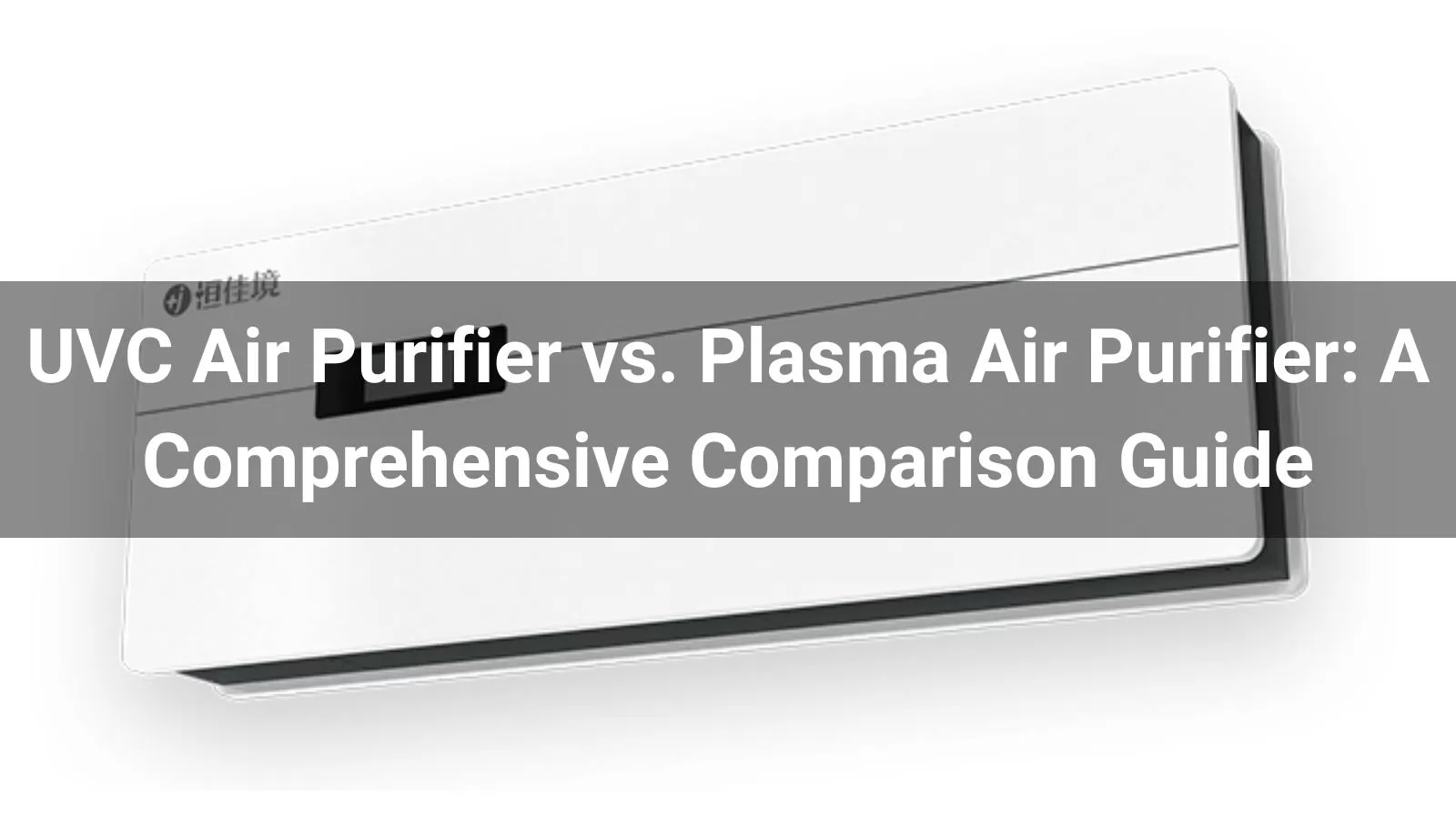
Amid the COVID-19 pandemic and growing awareness of indoor air quality (IAQ) importance, air purification technologies have gained unprecedented attention. Two prominent solutions—Ultraviolet Germicidal Irradiation in the ‘C’ spectrum (UVC) air purifiers and Plasma (Needle Point Bipolar Ionization, NPBI) air purifiers—have emerged as popular choices for mitigating airborne pathogens. Both claim to neutralize viruses and improve air quality, but they operate on distinct principles, offer unique advantages, and present specific limitations. This comprehensive guide delves into the technical details, applications, pros and cons, and cost considerations of UVC and Plasma air purifiers to help you make informed decisions for your indoor air quality management needs.
Before comparing their performance and suitability, it is critical to grasp the fundamental operating mechanisms of each technology. While both aim to enhance air quality by targeting pathogens, their approaches differ significantly—one relies on targeted radiation, and the other on ionization.
UVC air purifiers leverage the ‘C’ spectrum of ultraviolet light (wavelength 100–280nm), the only UV range effective at inactivating bacteria, viruses, and other microorganisms. Unlike UV-A (315–400nm) and UV-B (280–315nm) light— which cause skin and eye damage and are partially blocked by the ozone layer—UVC light possesses high energy that disrupts the DNA or RNA structure of pathogens. This structural damage renders microorganisms incapable of replication and infection.
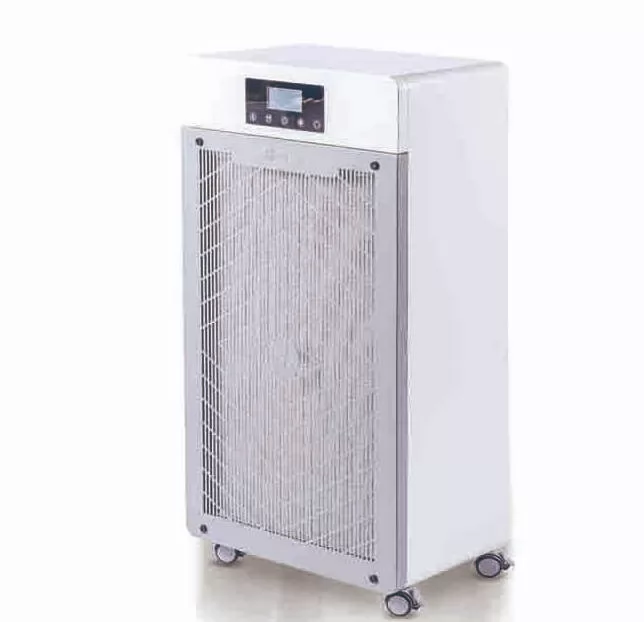
Key operational characteristics of UVC air purifiers include:
· Targeted Exposure Requirement: UVC light only affects pathogens directly exposed to it. For air purification, UVC lamps are typically installed in ductwork, air handlers (e.g., aimed at cooling coils and drain pans), or enclosed units where air is forced through the light’s path.
· Dwell Time and Proximity: Effectiveness depends on two critical factors: close proximity (ideally within 1 inch) and sufficient dwell time (the duration pathogens are exposed to UVC light). Studies show that commercial UVC bulbs require approximately 0.57 seconds of exposure to neutralize viruses, a threshold often unmet in standard ductwork due to high air velocity (800–2800 CFM), which carries pathogens past the lamp before adequate exposure.
· Secondary Benefits: When installed on the leaving air side of cooling coils, UVC light reduces or eliminates algae growth, maintaining coil cleanliness, lowering air pressure drop, and saving fan energy. This also reduces coil cleaning maintenance and improves overall HVAC system efficiency.
Plasma air purifiers, specifically those using NPBI technology (e.g., Global Plasma Solutions’ systems), operate by generating a high-energy plasma field that ionizes air molecules. This ionization process charges airborne particles (including pathogens, dust, and odors) with positive or negative charges. Similar to UVC, plasma neutralizes viruses and bacteria by breaking down their DNA/RNA, rendering them non-infectious. However, it offers an additional key benefit: particle agglomeration.
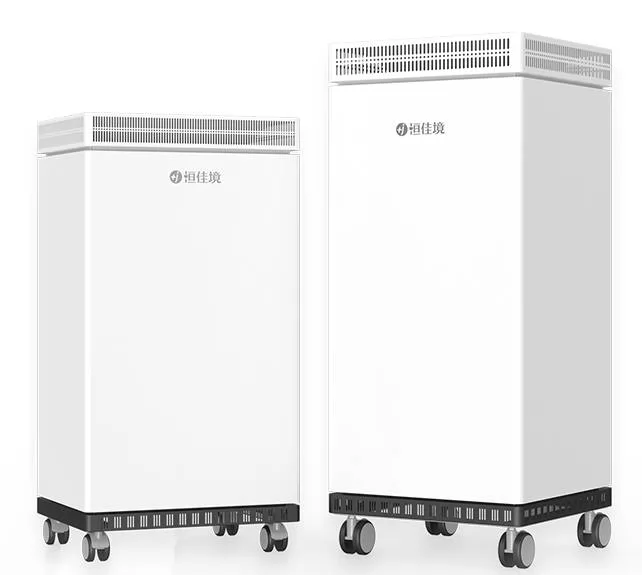
Key operational characteristics of Plasma (NPBI) air purifiers include:
· Ionization and Agglomeration: Ionized particles circulate through the space, attracting and attaching to other particles (a “snowball effect”). As particles grow larger, they become更容易 trapped by HVAC filters, enhancing filter efficiency.
· Pollutant Breakdown: Plasma technology breaks down harmful molecules (e.g., ammonia, VOCs) into harmless elemental constituents. For example, ammonia (NH3) is ionized into nitrogen (N) and hydrogen (H), which later recombine into harmless nitrogen gas (N2) and water (H2O).
· Ozone Compliance: Reputable NPBI systems are UL Listed (per UL-2998) with zero ozone emissions (≤0.005 ppm), avoiding the respiratory risks associated with ozone-generating electronic air cleaners.
· Wide-Range Effect: Unlike UVC’s targeted exposure, ionized air circulates throughout the space, reaching nooks and crannies and neutralizing pathogens on surfaces as well as in the air.
To evaluate which technology best fits your needs, let’s compare their strengths and weaknesses across critical dimensions—effectiveness, maintenance, safety, and application flexibility.
· Proven Germicidal Efficacy: UVC light is scientifically validated to inactivate a wide range of pathogens, including COVID-19, when exposure conditions are met.
· HVAC System Synergy: Reduces algae and biofilm growth on cooling coils and drain pans, improving HVAC efficiency and reducing maintenance costs.
· Versatile Installation Options: Available as portable room units, duct-mounted units, and coil-mounted units for specific HVAC systems (e.g., Bard air conditioners).
· Low Initial Deployment Cost: Portable and basic duct-mounted UVC units are often more affordable upfront compared to plasma systems.
· Limited Exposure Scope: Only affects pathogens directly in the light’s path; small particles (e.g., COVID-19, ~0.12 microns) may linger in the space and avoid HVAC ductwork, escaping UVC exposure.
· Maintenance Requirements: UVC lamps degrade over time (even if the blue light remains visible) and require regular replacement (typically quarterly, aligned with filter changeouts). Replacement costs increase long-term ownership expenses.
· Safety Hazards: UVC light is harmful to human eyes and skin. Installations require shut-off switches and viewing windows to disable power before accessing HVAC coil sections.
· Ductwork Limitations: In standard ductwork, high air velocity prevents adequate dwell time, reducing effectiveness against airborne pathogens.
· Comprehensive Pathogen Neutralization: Targets both airborne and surface pathogens by circulating ionized air throughout the space.
· Low Maintenance: Virtually maintenance-free; only annual cleaning of carbon fiber brushes (with a wire-free nylon brush and isopropyl alcohol) is required, and brush material never needs replacement.
· Enhanced Filter Efficiency: Particle agglomeration improves the performance of existing HVAC filters, reducing the need for frequent filter replacements.
· Odor and VOC Reduction: Breaks down odor-causing compounds and VOCs into harmless substances, improving indoor air quality beyond pathogen control.
· Safety and Compliance: UL Listed with no ozone emissions; no harmful radiation risks.
· Verification Capabilities: Manufacturers offer ion detectors (room or duct-mounted) that monitor ion levels in real time and integrate with Building Management Systems (BMS) via BACnet or MODBUS. Alarm contacts indicate system malfunctions.
· Filter Compatibility Issues: High-efficiency filters (e.g., HEPA) downstream of the plasma device trap ionized particles, reducing agglomeration and pollutant breakdown effectiveness. Not ideal for spaces with HEPA filter diffusers (e.g., hospital operating rooms).
· Moisture Sensitivity: Less effective in moist air environments (e.g., downstream of cooling coils). Optimal installation is upstream of cooling coils and downstream of filters (excluding HEPA).
· No Portable Options: Limited to duct or coil-mounted installations; no portable room units available.
· Higher Upfront Cost: Initial installation costs for plasma systems (starting at ~$700) are typically higher than basic UVC units (~$300–$1500).
· Inactive Pathogen Residue: Neutralizes pathogens but does not remove them from the space; inactive particles may settle on surfaces (though they pose no infection risk).
The suitability of UVC or Plasma air purifiers depends on the specific environment, HVAC configuration, and air quality goals. Below are recommended applications for each technology.
· Hospital Operating Rooms: Ideal for spaces with HEPA filter diffusers, where plasma’s effectiveness is compromised. UVC’s targeted germicidal action complements HEPA filtration by inactivating pathogens in ductwork and air handlers.
· Spaces with High Air Velocity Ductwork: When paired with enclosed air purification units (e.g., Setra AIIR Watch) that combine HEPA filtration and UVC light. The HEPA filter traps particles, ensuring sufficient dwell time for UVC to neutralize pathogens on the first pass.
· Budget-Constrained Initial Deployments: Portable UVC units are a cost-effective solution for small rooms (e.g., offices, exam rooms) where targeted air purification is sufficient.
· HVAC System Maintenance Focus: Installations aimed at reducing coil fouling and improving HVAC efficiency, with secondary air purification benefits.
· Commercial and Industrial Spaces: Offices, retail stores, warehouses, and schools with standard HVAC filters (no HEPA diffusers). Plasma’s wide-range ionization and low maintenance make it ideal for large, high-occupancy areas.
· Spaces Requiring Odor Control: Restaurants, hotels, and fitness centers, where plasma’s ability to break down VOCs and odor-causing compounds enhances occupant comfort.
· HVAC Systems with Limited Maintenance Capacity: Facilities where regular lamp replacement (for UVC) is logistically challenging or costly. Plasma’s “set-and-forget” operation reduces maintenance burdens.
· PTAC and Small HVAC Units: Ribbon-type plasma devices are suitable for compact air conditioners (e.g., PTAC units) common in hotels and apartments.
· Surface Disinfection Needs: Spaces where pathogen control on surfaces (in addition to air) is critical, as ionized air circulates to hard-to-reach areas.
When evaluating UVC and Plasma air purifiers, it is essential to consider total cost of ownership (TCO), which includes upfront installation, maintenance, and replacement costs, rather than just initial purchase price.
· Initial Cost: $300–$1500 (portable units to duct-mounted systems).
· Maintenance Costs: Quarterly lamp replacements (cost varies by lamp type and quantity) plus labor for replacement. Over 5 years, lamp replacement costs can exceed the initial unit price.
· Energy Costs: Low to moderate; UVC lamps require minimal power, but fan energy may increase slightly if coil cleaning benefits are not realized.
· Initial Cost: $700–$2000 (duct or coil-mounted systems; no portable options).
· Maintenance Costs: Negligible. Annual cleaning of carbon fiber brushes requires minimal labor and no replacement parts.
· Energy Costs: Very low; plasma systems require minimal power for ionization.
· Long-Term Savings: Enhanced filter efficiency reduces filter replacement costs; no lamp replacement expenses. Over 5–10 years, plasma systems often have lower TCO than UVC.
When choosing between UVC and Plasma air purifiers, ask the following questions to align the technology with your needs:
1. What is my primary goal? Pathogen control (air only vs. air and surfaces), odor reduction, HVAC efficiency, or a combination?
2. What is my HVAC configuration? Do I have HEPA filters downstream? Is the installation area moist (e.g., downstream of cooling coils)?
3. What is my maintenance capacity? Can I commit to quarterly lamp replacements (UVC) or only annual cleaning (Plasma)?
4. What is my budget? Am I prioritizing upfront cost (UVC) or long-term savings (Plasma)?
5. What is the space type? Hospital operating rooms (UVC preferred) vs. commercial offices (Plasma preferred).
UVC and Plasma (NPBI) air purifiers are both effective tools for improving indoor air quality, but they excel in different scenarios. UVC air purifiers are ideal for targeted germicidal action, HVAC coil maintenance, and spaces with HEPA filters (e.g., hospitals), while Plasma air purifiers offer comprehensive air and surface disinfection, low maintenance, and odor control for commercial and residential spaces with standard HVAC systems.
For short-term, budget-constrained needs or spaces requiring HEPA compatibility, UVC is a reliable choice. For long-term cost savings, low maintenance, and wide-range pathogen/odor control, Plasma (NPBI) technology is superior. In some cases, a combination of both—e.g., UVC in ductwork for coil maintenance and Plasma for space-wide ionization—may provide the most comprehensive air quality solution.
Ultimately, the best choice depends on your specific environment, goals, and resources. By prioritizing total cost of ownership, application compatibility, and maintenance capacity, you can select the technology that ensures safe, clean air for occupants while optimizing efficiency and compliance.


Your Name*
Your Email*
*We respect your confidentiality and all information are protected.

Compare horizontal vs. vertical laminar flow cabinets for your 2026 lab setup. Learn the key differences in airflow patterns, operator safety, and application suitability (cell culture vs. electronics). Choose the right ISO-compliant clean bench to ensure sterile integrity and optimize your workflow.

This detailed step-by-step guide to cleaning a biosafety cabinet (BSC) covers all standard operating procedures (SOPs) from preparation and sterilization sequence to the use of ultraviolet light.

Updated 2026 list of the 10 Best Vacuum Sealers. Expert reviews, key features, pros & cons, and buying advice to pick the best food sealer for your kitchen.